Before committing to any investment, it helps to understand how the business model works, what the setup process involves, and what operating a laundromat actually requires from you day to day.
A self-service laundromat is a pay-per-use facility where customers operate the machines themselves. There is no dry-cleaning, no drop-off service, and no staff member doing the washing. Customers arrive, load a machine, pay, return when the cycle finishes, and leave. The operator's role is to keep the machines running, the space clean, and the payment systems functioning.
This structure is what makes it semi-passive. The business does not require continuous staffing. It requires reliable maintenance, periodic cleaning, cash or card management, and responsive handling of machine issues when they arise. Most operators manage this with part-time support rather than full-time staff.
The model is well-established across Western Europe and has been growing in Polish cities as urban rental populations increase and older housing stock without in-unit laundry remains common.
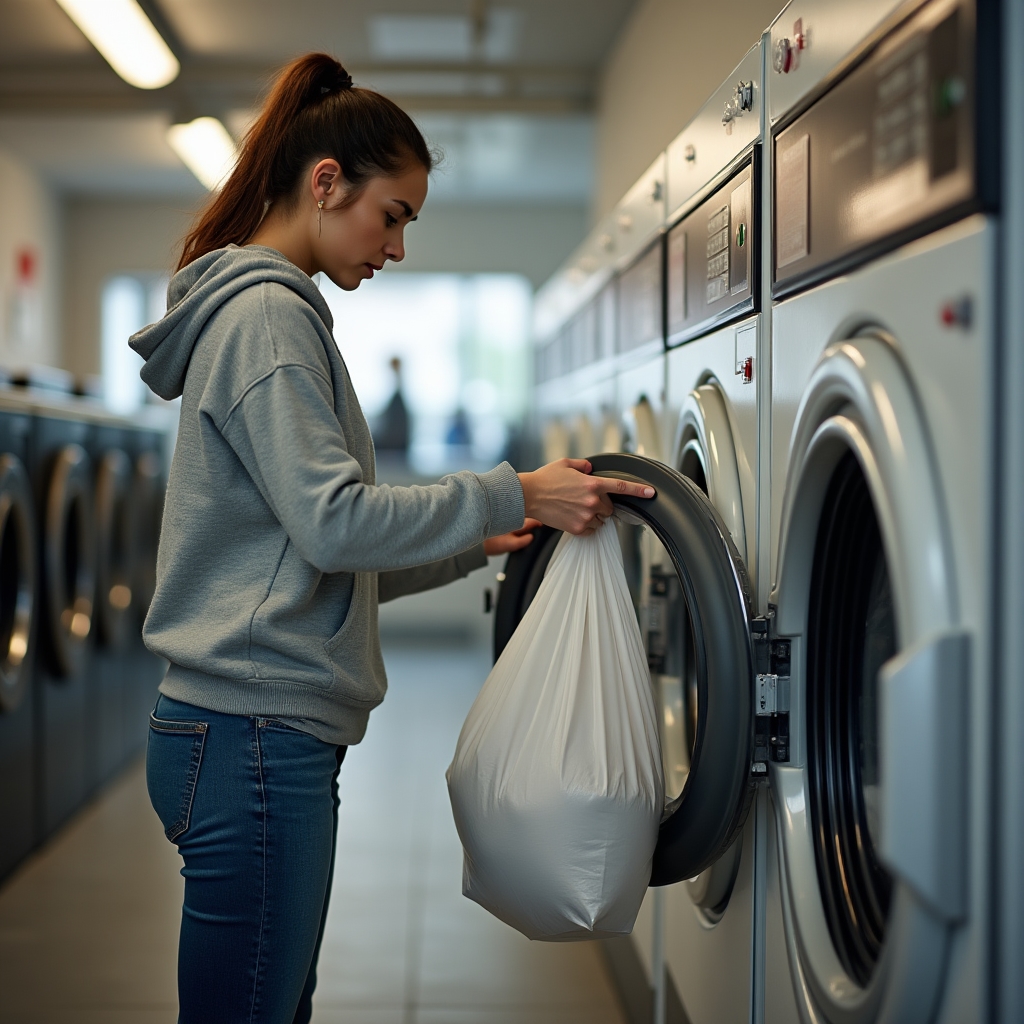
The level of involvement varies depending on the size of the facility, the reliability of the equipment, and the operational systems put in place during setup. We design the setup to minimise routine demands on the operator's time, but this is not a zero-effort business. It requires engaged ownership.
The timeline for a full turnkey setup varies depending on site availability, permit requirements, and equipment lead times. The following gives a general picture of how the process unfolds.
We discuss your situation, investment parameters, and city preferences. If you have a specific location in mind, we discuss what an assessment would involve. If not, we discuss what to look for.
We conduct a full assessment of the candidate location or locations. We present findings and a recommendation. You make the decision on whether to proceed.
We develop the interior layout and specify the equipment package. You review and approve before any procurement takes place. Lead times for commercial equipment from European manufacturers are typically several weeks.
We coordinate all trades: plumbing, electrical, flooring, signage, and equipment installation. This phase typically takes several weeks depending on the scope of work and the condition of the space.
We train you and your staff on daily operations, machine maintenance basics, and customer communication. We are present for the opening period and available for support through the first three months.
No specific business background is required. The training we provide covers what you need to operate the facility. That said, being comfortable with basic record-keeping and responsive to maintenance issues is important.
Yes. We work across Polish cities. Our contractor networks extend to multiple urban areas, and our site assessment methodology applies regardless of which city you are considering.
The operational support period is designed to get you to a point where you are confident running the business independently. After that, you operate on your own. Equipment manufacturers provide their own service and warranty support for the machines.
A functional laundromat can operate in as little as 60 square metres, though larger spaces allow for more machines and better customer comfort. The optimal size depends on the catchment area and the investment level. We assess this as part of the site evaluation.
Operating a commercial laundromat in Poland requires a registered business entity. We can advise on what is typically required, but formal legal and tax registration advice should come from a qualified Polish accountant or legal advisor.
We can share representative examples of the equipment and interior design approaches we use during an initial consultation. Get in touch to arrange a conversation.
The next step is a conversation. Tell us about your situation, the city you are interested in, and any specific questions you have. We will respond with honest, straightforward information.
Contact Us